


Invoice management system: 7 systems compared (2026)
Which invoice management system suits you? 7 systems compared on reading, payment, e-invoicing and pricing model – and the two types they fall into.
Explore expert-written articles, automation strategies, product updates, and stories from advisors and businesses transforming the way they manage finance with LedgerBee.
Which invoice management system suits you? 7 systems compared on reading, payment, e-invoicing and pricing model – and the two types they fall into.
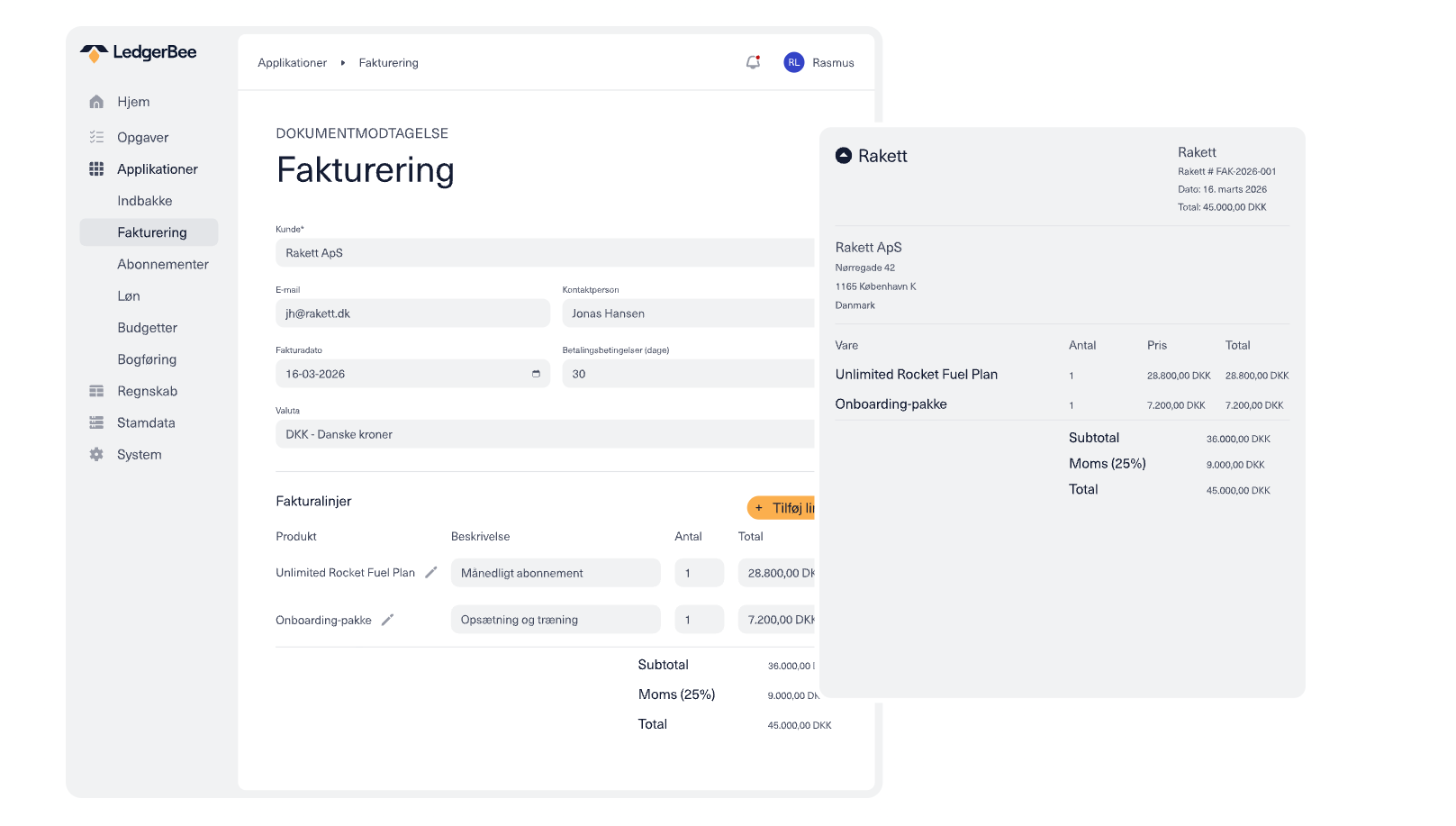
What is the difference between OCR and AI when invoices and receipts are scanned? How the data capture works, what accuracy means, and what the law requires.
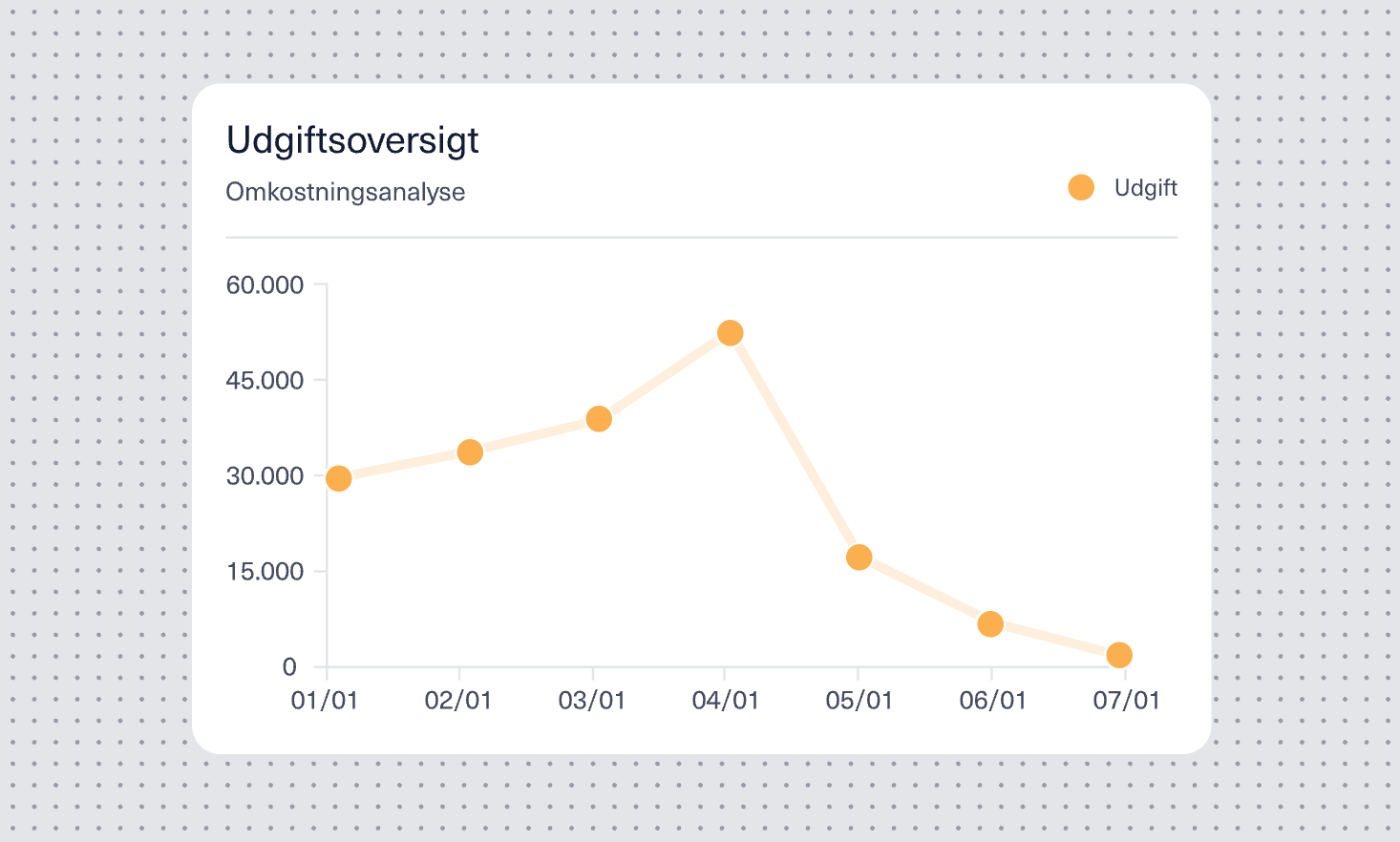
Calculate what your manual invoice processing costs in salary and time – and see the hidden costs: reminder fees, interest and invoices that stand still.
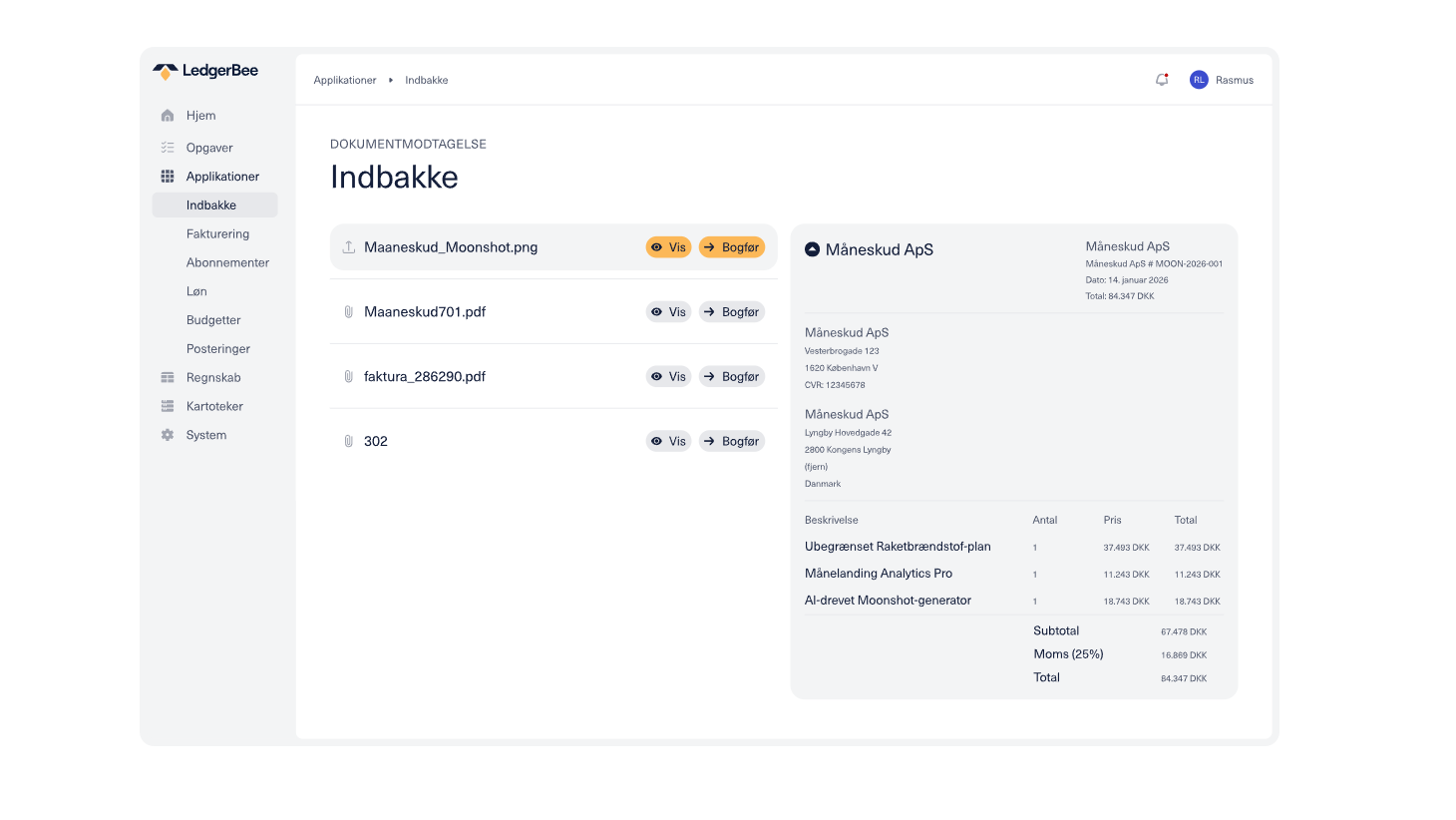
What NemHandel, OIOUBL and Peppol are, what the Danish Bookkeeping Act requires of your finance system, and how to get suppliers to send e-invoices instead of PDFs.
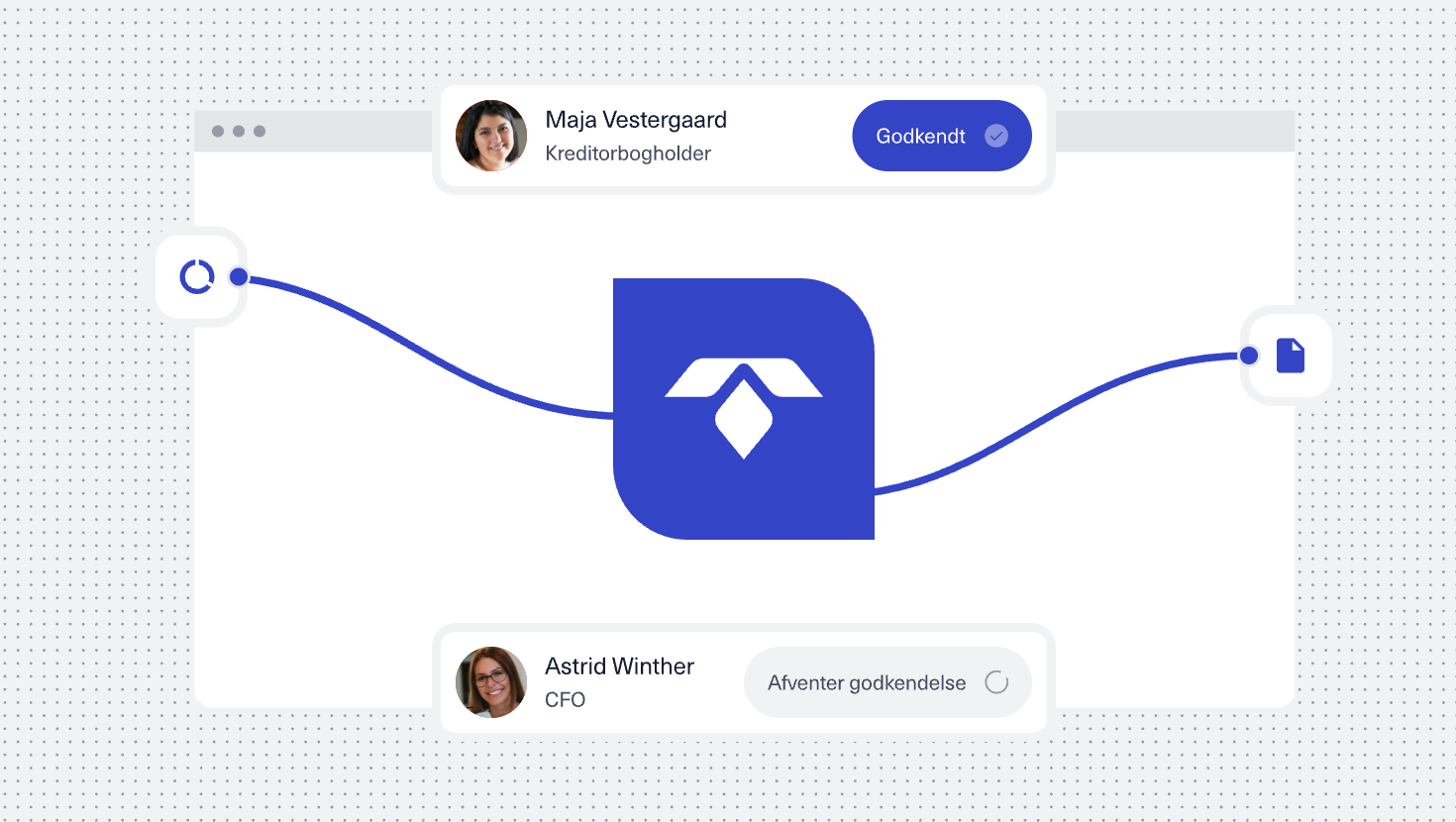
What invoice processing is, how automated invoice processing works from receipt to payment – and what the law requires. How to choose a system.

LedgerBee closes a seed round with Likeminded.vc and some of Denmark's most experienced tech investors, to build accounting for the AI era.

AI now handles invoice entry and approvals, freeing bookkeepers for compliance and advisory work. How to embrace automation without fearing for your role.

Why accruals and reconciliations still make the period-end close stressful, and how AI that automates postings cuts errors and speeds up reporting.

With automated bookkeeping, AI handles invoices and bank reconciliation, saving up to 80% of admin time while you stay in control of the numbers.

Delayed data and Excel dependencies erode trust in financial reporting. How one system with built-in validations and real-time data restores it.

How a real-time financial cockpit gives SME founders and CFOs one live view of cash flow and performance, instead of exports from several systems.

Workarounds, slow reporting and disconnected data are signs you have outgrown your finance system. How to spot the tipping point and choose the next one.

A 'tool soup' of separate finance apps adds cost and confusion. How scaleups can consolidate their finance stack, cut tool costs and see the bottom line.

The UK FRC's guidance on AI in audit: tools must be explainable, documented and monitored. What it means for auditors and for anyone building audit tech.

Juggling separate finance tools costs small businesses time, causes errors and hides the real numbers. How one connected system breaks the cycle.

Most companies make decisions on outdated numbers spread across 5–6 tools. What the real-time finance gap costs, and how to close it.
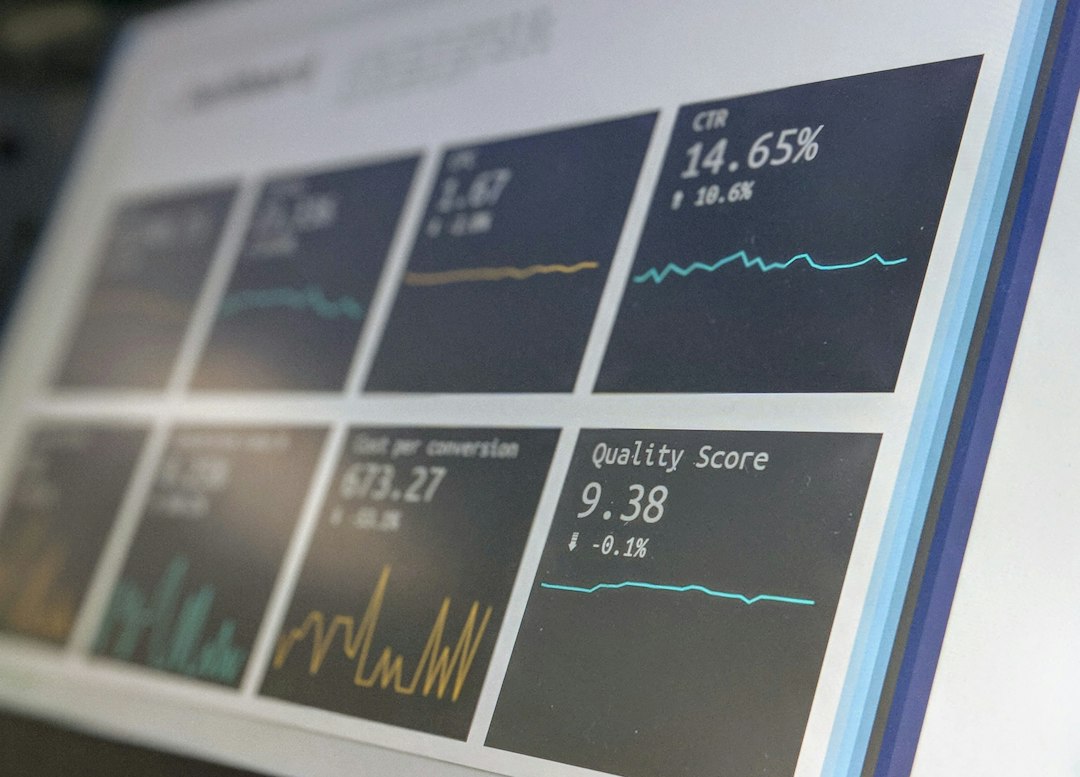
Separate tools for billing, payroll and reporting leave small businesses without a clear picture. What a unified financial operating system changes.
Spend 30 minutes with us, save hours upon hours on your finances
Book a demo